

the transportation of goods and cargo by trains over a railway network. These services are a critical component of the logistics and supply chain industry, offering a cost-effective, energy-efficient, and environmentally friendly alternative to road and air freight, especially for large volumes or heavy goods over long distances

the transportation of cars and other vehicles from one location to another, typically using trucks, trains, ships, or a combination of these. These services are used by car manufacturers, dealerships, individuals (e.g., during relocation), auction houses, and rental companies.
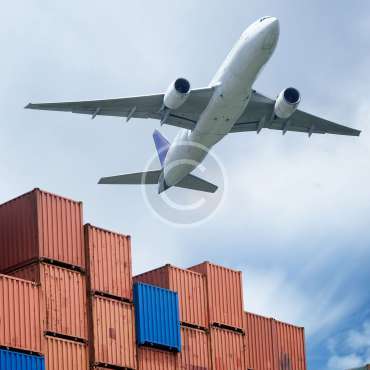
the transportation of goods via aircraft, usually managed by freight forwarders, airlines, or logistics companies.
Key Features:
Speed: Fastest mode of cargo transport, ideal for urgent or perishable goods.
Global Reach: Connects major cities and hubs worldwide.
Security: High level of safety and tracking for sensitive shipments.
Flexibility: Handles different cargo types—general cargo, perishables, dangerous goods, oversized items.
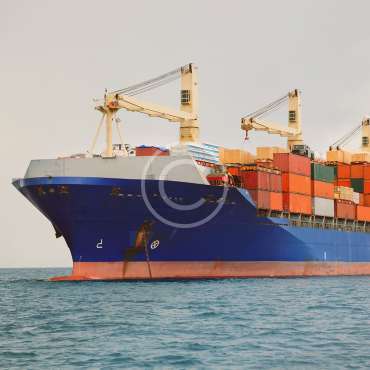
transporting goods internationally by cargo ships across oceans. It’s the backbone of global trade, handling about 90% of world commerce.
FCL (Full Container Load): One customer books an entire container (20ft, 40ft).
Capacity: Can transport huge volumes, including oversized and heavy goods.
Cost-effective: Cheaper per unit than air freight, especially for bulk cargo.